Budget Streetwear Done Right: Build a Wardrobe That Hits Hard Without Emptying Your Wallet
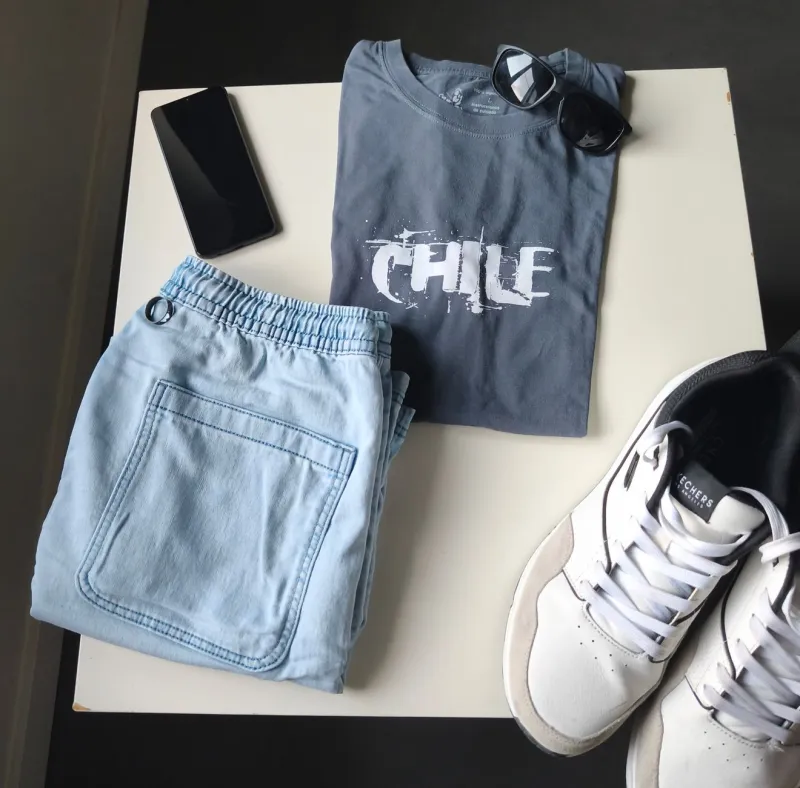
Real Style Doesn't Have a Price Tag
Here's the thing nobody in fashion wants to admit: most of the best-dressed people in the world aren't spending the most money. Walk through the streets of Kuala Lumpur or Jakarta and you'll see it firsthand — kids rocking outfits that look like they were styled by a creative director, built from a mix of thrifted finds, local brand pieces, and a couple of well-chosen splurges.
That approach is something Southeast Asian street culture has always understood. It's not about how much you spend. It's about how intentionally you put things together.
This guide is built around that philosophy. Whether you're starting from scratch or trying to stretch a limited budget further, these are the pieces and strategies that'll give you the most flexibility, the most style, and the most bang for your money.
Start With Your Foundation: The Non-Negotiables
1. Three to Five Quality Graphic Tees
The graphic tee is the workhorse of any streetwear wardrobe. The key word here is quality — not necessarily expensive, but well-made. Look for heavier cotton (at least 200 GSM if you can find the spec), clean print application, and graphics that actually mean something to you.
This is where Southeast Asian-inspired streetwear has a real edge. Regional brands tend to put genuine thought into their graphics — whether it's typography drawn from local scripts, imagery rooted in urban Southeast Asian life, or abstract designs that reference cultural traditions without being obvious about it. A tee with a story is always going to hit differently than a logo tee from a brand that's just chasing clout.
Budget tip: Three solid graphic tees will serve you better than seven mediocre ones. Prioritize here.
2. One Versatile Overshirt or Lightweight Jacket
If you're building a wardrobe that works across different weather and occasions, an overshirt or lightweight jacket is one of the most valuable pieces you can own. Think of it as a layering anchor — something you can throw over a tee for a casual look, or wear open over a long-sleeve for something a little more put-together.
Batik-print overshirts, in particular, have become a genuine crossover piece — popular in Southeast Asian street culture and increasingly visible in US cities. They work as both a style statement and a practical layer, and they're available at a range of price points.
Budget tip: Check thrift stores and secondhand apps. Overshirts and lightweight jackets in good condition are some of the most commonly donated items and can be found for a fraction of retail.
3. Two Pairs of Well-Fitting Cargo or Utility Pants
Fit is everything. A pair of cargos that actually fits your body will look better than designer pants that don't. Utility pants are a streetwear staple because they're functional, they work with almost any top, and they come in enough silhouettes to suit different body types.
For Southeast Asian-inspired styling, look for earth tones — olive, sand, terracotta — or go with a straight-leg black pair that can be dressed up or down. Avoid the super-baggy silhouette unless you're fully committed to that aesthetic, because extreme proportions are harder to restyle.
Budget tip: Brands like Dickies and Carhartt offer utility pants at accessible prices that hold up well and look genuinely good in a streetwear context.
4. One Clean Pair of White or Cream Sneakers
Sneak budgets can spiral fast, so let's keep this simple. One clean, versatile pair of sneakers will do more for your wardrobe than three trendy pairs that only work with specific outfits. White or cream sneakers go with almost everything, keep the focus on the rest of your outfit, and are easy to maintain if you stay on top of cleaning them.
Budget tip: New Balance 327s, Nike Air Force 1s on sale, or even Vans Old Skools are all solid choices that won't break the bank and have genuine cultural credibility.
5. One Statement Accessory
Accessories are where you can inject personality without spending a lot. A beaded bracelet, a vintage cap, a woven bag, or even a single piece of jewelry can shift the entire energy of an outfit.
Southeast Asian street culture has a strong tradition of incorporating handcrafted accessories into everyday looks — things made from natural materials, traditional techniques, or local craftsmanship. These kinds of pieces are often more affordable than branded accessories and carry a lot more character.
Layering: The Skill That Multiplies Your Wardrobe
Layering is how you turn five pieces into twenty outfits. The basic principle is simple: think in thirds. A base layer (tee or long-sleeve), a mid layer (overshirt, flannel, or lightweight jacket), and an outer layer if needed. Each layer should be able to stand on its own, so you have flexibility as the day or the weather changes.
Southeast Asian climates have shaped a particular approach to layering — lightweight fabrics that breathe, open layers that allow airflow, and pieces that transition easily between indoor AC and outdoor heat. That approach translates well to American cities, especially in spring and fall.
Mixing High and Low Without Looking Sloppy
The key to mixing price points is intentionality. One or two investment pieces can anchor an entire outfit built around budget finds — but only if the cheaper pieces are clean, well-fitting, and chosen deliberately.
For example: a quality graphic tee from a Southeast Asian independent brand (your splurge) paired with thrifted cargos, clean white sneakers, and a handmade accessory. The tee does the heavy lifting, and everything else supports it without competing.
The rule of thumb: never let the cheap stuff look cheap. Fit, cleanliness, and condition matter more than price tags.
The Mindset Shift
Building a great streetwear wardrobe on a budget isn't about finding the cheapest version of what everyone else is wearing. It's about being intentional, patient, and willing to look beyond the obvious options.
Southeast Asian street culture built its identity on exactly that kind of resourcefulness — making something compelling and original from whatever was available. That's a lesson that travels.