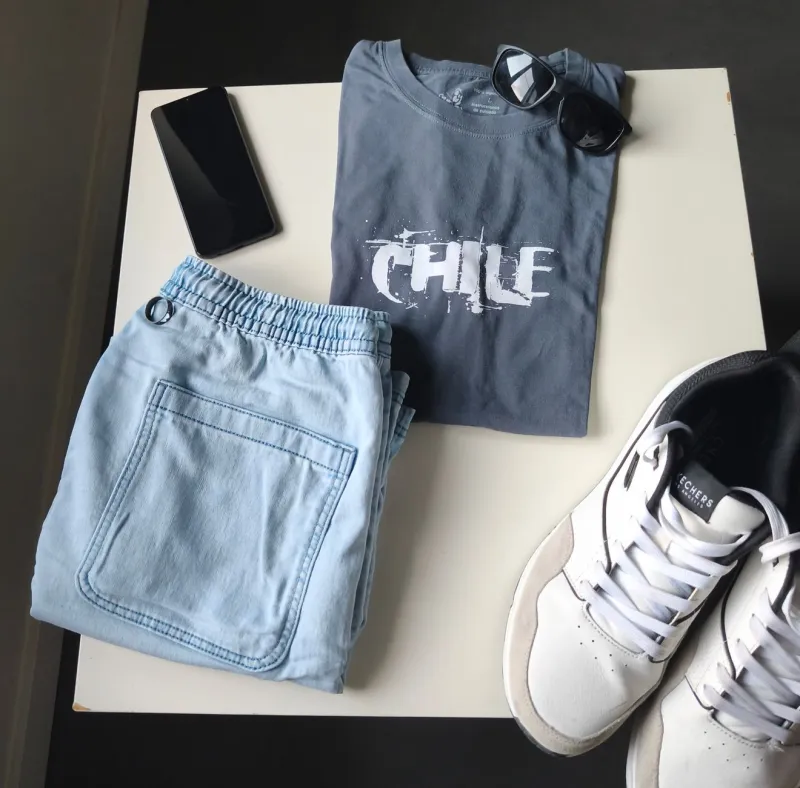
Streets Don't Lie: How KL, Bangkok, and Jakarta Are Flipping the Script on Global Fashion
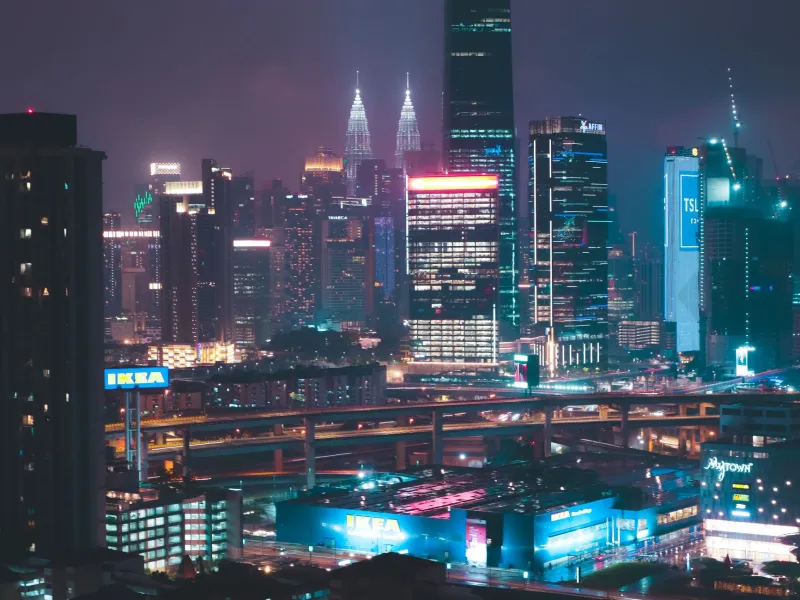
The Map Is Changing
For decades, the fashion world operated on a pretty simple hierarchy. New York, Paris, Milan, Tokyo — these were the cities that mattered. The places where trends were born, where culture was codified, where the gatekeepers lived. If you weren't from one of those circles, you were consuming, not creating.
That story is officially outdated.
Something serious has been happening in Southeast Asia over the past ten years, and it's finally loud enough that the rest of the world can't tune it out. Cities like Kuala Lumpur, Bangkok, and Jakarta have quietly — and then not so quietly — built streetwear ecosystems that are original, deeply rooted, and increasingly influential on a global scale. American consumers who've only been watching the usual suspects are missing out on one of the most exciting creative movements in fashion right now.
What Makes Southeast Asian Streetwear Different
Let's be real: a lot of Western streetwear has started to feel like it's running on fumes. The same silhouettes, the same collaborations, the same drop cycles designed more around hype than actual culture. There's a sameness to it that's hard to ignore once you've seen it.
Southeast Asian streetwear doesn't have that problem — because it's not trying to replicate anything.
Designers from the region are pulling from genuinely layered cultural histories. Malaysian streetwear, for example, sits at the intersection of Malay, Chinese, and Indian influences, filtered through a tropical urban lens that simply doesn't exist anywhere else. You'll find batik motifs reimagined as graphic tees, traditional songket patterns worked into bomber jacket linings, and typography drawn from Jawi script showing up on hoodies in ways that feel both contemporary and ancestral.
In Bangkok, the scene has developed a reputation for precision and edge. Thai designers have a knack for combining technical craftsmanship with a slightly dark, avant-garde aesthetic that's earned serious respect among collectors globally. Jakarta, meanwhile, operates with an energy that's almost punk in its independence — a sprawling creative underground that's produced some of the most interesting independent labels in the Asia-Pacific region.
These aren't imitations of Western streetwear. They're conversations happening in entirely different languages.
The Craftsmanship Conversation
One thing that consistently separates Southeast Asian streetwear from the mainstream is the attention to construction. This is a region with deep textile traditions — batik, ikat, songket, and pandan weaving have been refined over centuries. When contemporary designers tap into those traditions, the results show in the fabric, the stitching, and the overall feel of the garment.
American consumers used to fast fashion and mass production are increasingly noticing the difference. There's a tactile quality to a lot of Southeast Asian streetwear that you don't get from a generic branded hoodie. The weight of the fabric, the way a print is applied, the hardware on a jacket — these details matter, and they're taken seriously by designers who grew up around craftspeople who understood that clothing was never just clothing.
This also connects to why limited drops from Southeast Asian labels carry a different kind of weight. It's not manufactured scarcity for hype's sake. It's often a genuine reflection of small-batch production, handwork, or regionally sourced materials that simply can't be scaled up without losing what makes them special.
Why American Audiences Are Starting to Catch On
Social media has obviously played a huge role in closing the distance between Southeast Asia's creative scene and American consumers. Instagram, TikTok, and YouTube have all given regional designers direct access to global audiences without needing a distributor in New York or a feature in a legacy magazine.
But it's more than just visibility. American streetwear culture has always had a deep respect for authenticity — for brands and styles that come from a real place, with a real story. The problem is that authenticity has become its own kind of commodity in the US market, packaged and sold by brands with marketing budgets bigger than some countries' GDPs.
Southeast Asian streetwear doesn't have that problem yet. When a Kuala Lumpur-based label tells you a piece was inspired by a specific neighborhood, a specific memory, or a specific cultural moment, there's usually actual substance behind that claim. The storytelling is grounded because the designers are still living inside the culture they're drawing from.
That resonates. Especially with younger American consumers who are increasingly skeptical of polished brand narratives and hungry for something that feels genuinely unfiltered.
The Bigger Picture
What's happening in Southeast Asia's fashion scene isn't just a regional trend — it's part of a broader realignment of where creative power lives in the global fashion industry. The old centers are still relevant, but they're no longer the only places that matter.
For American streetwear fans, this is actually great news. It means there's a whole world of design, craftsmanship, and cultural storytelling that's been developing outside your usual feed — and it's ready to be discovered.
The streets of Kuala Lumpur have been talking for a while now. The question is whether you've been listening.