The Real Cost Breakdown: What You're Actually Paying When You Buy Malaysian Streetwear in the US
Let's do some math that most retailers don't want to have in public.
You're scrolling an LA-based reseller's site and you see a tee from a Kuala Lumpur label you've been following on Instagram. The tag says $78. You pull up the brand's own website, convert the ringgit price, and the same shirt is roughly $43 USD at current exchange rates. Your first instinct is that someone's skimming serious margin off the top.
Sometimes that instinct is right. But most of the time, the gap between what something costs in Malaysia and what it costs to own it in the US is the product of several legitimate cost layers that don't get talked about honestly. Understanding those layers won't always make the price feel better, but it'll help you make smarter decisions about when to buy local, when to go direct, and when a US reseller is actually worth the premium.
Layer One: Currency Is Messier Than a Single Conversion
The Malaysian ringgit fluctuates against the US dollar more than most Americans realize. Over the past few years, the USD/MYR rate has swung between roughly 4.1 and 4.8, which means a RM200 item can land anywhere between $42 and $49 in dollar terms depending purely on when you're checking. Retailers who stock Malaysian goods aren't buying at today's rate — they purchased inventory weeks or months ago, possibly at a less favorable conversion.
Smart US resellers also build in a buffer against future currency movement. If they bought at RM4.3 to the dollar and the rate shifts to RM4.1 before they sell through, their margin compresses. That buffer gets baked into your retail price. It's not dishonest — it's how import retail works.
Layer Two: Shipping Is Brutal and Getting Worse
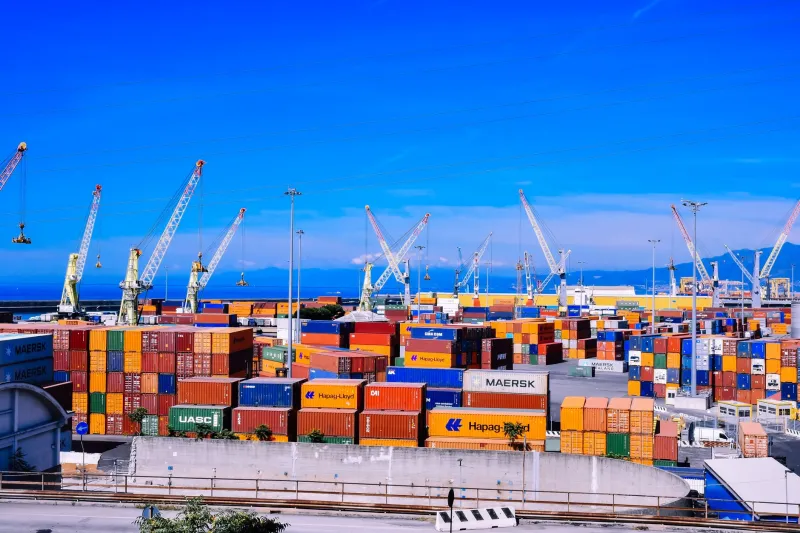
International freight from Malaysia to the US isn't cheap, and the economics of shipping small-run streetwear items are genuinely rough. Sea freight is cost-effective for bulk but introduces 4-6 week lead times that don't work for trend-sensitive drops. Air freight is fast but expensive — you're looking at costs that can add $8-15 per unit on smaller shipments once you factor in dimensional weight pricing and fuel surcharges.
Then there are customs duties. Apparel imported into the US from Malaysia is generally subject to tariffs that vary by fabric composition and garment type — knit tees sit in a different duty bracket than woven outerwear. These costs typically run 12-32% of the declared customs value depending on the item. That's before anyone has touched a profit margin.
For a US reseller importing a RM200 tee at roughly $43 face value, by the time you've added freight allocation, customs duty, and insurance, the landed cost is often sitting somewhere between $58 and $65. The $78 retail price starts looking less predatory when you see that the actual margin being worked is closer to 20% — which is tight for specialty retail.
Layer Three: Authentication and Curation Carry Real Costs
This one gets overlooked. The Southeast Asian streetwear space has a counterfeiting problem that anyone who's spent time in the market knows about. A US reseller who's doing this properly is spending real money on authentication — whether that's direct relationships with Malaysian brands, verification through trusted middlemen, or the cost of returns and write-offs when something slips through.
That vetting process is part of what you're paying for when you buy through an established US retailer rather than a random Carousell listing. It's not a guarantee, but it's a layer of risk reduction that has actual cost attached to it.
When Does Going Direct Make Sense?
Honestly? More often than US buyers currently take advantage of. Many established Malaysian streetwear brands now ship internationally through their own sites, and the economics shift significantly when you cut out the import middleman.
On a direct purchase, you're still paying international shipping — typically $15-30 for standard tracked service from Malaysia to the US — and you may face customs duties as the importer of record. But you're not funding a US retailer's overhead, their currency buffer, or their authentication infrastructure. For a single hero piece you've already researched and are confident about, direct purchase can save you 25-40% compared to US reseller pricing.
The calculus flips when you're buying something you haven't been able to verify independently, when you need reliable US-based returns protection, or when you're buying from a newer brand without an established international shipping track record. In those cases, the US reseller premium is buying you something real.
The Number You Should Actually Care About
Stop fixating on the ringgit-to-dollar conversion as your benchmark. The more useful question is: what is the total cost of ownership for this piece, and does that cost reflect the quality and cultural value I'm getting?
A $78 tee from a Malaysian label with genuine craft behind it — quality fabric, considered construction, design that carries real regional specificity — is competing against $90-120 pieces from Western brands with bigger marketing budgets and less interesting things to say. Framed that way, the Malaysian import often wins on value even at US reseller pricing.
Understand the markup game. Then decide whether it's worth playing.