Designing for the Heat: Why Malaysia's Climate and Festival Calendar Give Its Streetwear an Edge No Western Brand Can Fake
Most of the world's dominant fashion calendars were built for places that have four seasons. Spring/Summer. Fall/Winter. The whole industry runs on this rhythm — the trade shows, the editorial cycles, the retail markdown schedules. It's so baked into how fashion operates globally that most people don't even think of it as a choice. It's just how things work.
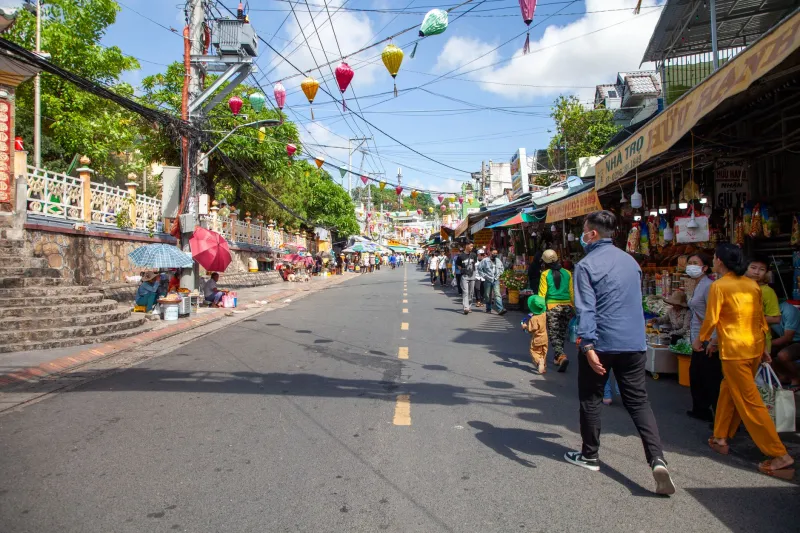
Malaysia doesn't have four seasons. It has two — wet and less wet — plus a festival calendar that cycles through Hari Raya, Chinese New Year, and Deepavali in ways that shape consumer culture, color associations, and community life more profoundly than any fashion week. For designers working in this context, those constraints aren't limitations. They're a creative operating system that produces genuinely different work.
And increasingly, that difference is exactly what US fashion enthusiasts are looking for.
What Tropical Heat Actually Does to Fabric Choices
Let's start with the most literal influence: temperature. Kuala Lumpur sits just three degrees north of the equator. Average daily highs hover around 90°F year-round, with humidity levels that make a New York August feel like a pleasant afternoon. Designing streetwear for this environment means thinking about breathability, weight, and drape in ways that most Western brands simply don't have to.
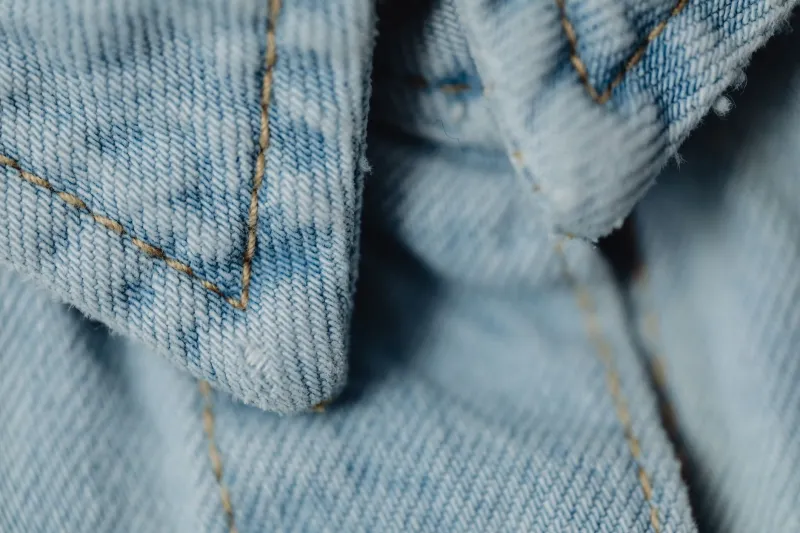
The result is a distinct approach to fabrication. Malaysian streetwear labels tend to work heavily with open-weave cotton constructions, lightweight jersey blends, and performance-adjacent materials that still read as premium rather than athletic. You'll find more thought given to how a garment moves air than you'd typically see in a US or European streetwear context, where the cultural aesthetic of heavy, structured pieces carries more weight than actual wearability in warm conditions.
This isn't just functional — it creates a visual signature. Pieces that hang and drape rather than structure and stack. Silhouettes that work with the body's need to breathe rather than against it. When US buyers try these garments on for the first time, the fit and feel often reads as unexpectedly refined, and that refinement comes directly from the climate it was designed for.
The Monsoon Drop: Nature's Version of a Limited Release
Malaysia's northeast monsoon season runs roughly from November through March, bringing heavier rainfall to the east coast and shifting the general vibe of the country toward something more interior, more communal. For streetwear brands, this seasonal shift creates a genuine design opportunity that has no real equivalent in Western fashion calendars.
Monsoonal drops — collections or pieces timed to this shift — tend to lean into deeper colors, slightly heavier weight fabrics (though still tropical by global standards), and design motifs that reference the particular atmosphere of the wet season. There's a whole aesthetic vocabulary here built around rain, shelter, indoor gathering spaces, and the specific quality of light that comes through heavy cloud cover in a tropical city.
This isn't manufactured seasonality in the way that Western brands artificially create urgency around temperature shifts. It's responding to a real environmental change that genuinely affects how people in the region dress and move through their days. The authenticity of that response is something you can feel in the work.
Festival Color as Living Design Language
If the climate shapes the structure and fabric of Malaysian streetwear, the festival calendar shapes its color and graphic language in ways that are harder to replicate without the cultural context.
Hari Raya Aidilfitri, which marks the end of Ramadan, carries a color tradition built around earth tones, deep greens, and rich jewel tones — colors associated with gratitude, celebration, and community gathering. Malaysian brands that work within this tradition aren't just making "holiday colorways" in the way a Western brand might drop a red and green capsule in December. They're engaging with a living visual language that their customers carry genuine emotional associations with.
Chinese New Year brings a different palette — the bold reds and golds of prosperity iconography, but filtered through a Malaysian-Chinese cultural lens that's distinct from how those colors function in mainland Chinese fashion contexts. Deepavali introduces the extraordinary chromatic richness of South Indian temple aesthetic — marigold yellows, deep purples, the kind of saturated color combinations that Western designers tend to treat as too loud but that carry deep cultural legibility in the Malaysian context.
What makes this commercially interesting, not just culturally interesting, is that Malaysian brands are doing something sophisticated with this material. The best ones aren't producing literal festival merch — they're abstracting these color traditions into streetwear-appropriate executions that carry the cultural weight without reading as costume. That requires a level of fluency that can't be faked by a brand without roots in the community.
Why US Buyers Are Paying Attention
The US market has been running on a generic seasonal model for so long that anything operating on a genuinely different logic reads as fresh. When a Malaysian brand drops a Hari Raya capsule in April — not because it fits a spring/summer editorial calendar but because it responds to an actual community moment — that timing carries meaning. When the color palette in a collection reflects the specific chromatic traditions of Deepavali rather than a trend forecaster's interpretation of "global color influences," the specificity lands differently.
This is the competitive advantage that can't be manufactured. A Western brand could study Malaysian festival traditions and produce a capsule collection that references them — and several have tried, with results ranging from respectful to uncomfortable. But the design fluency that comes from building a brand inside a culture, across multiple festival cycles, in actual tropical heat? That's not a mood board. That's a design education that takes years and can't be shortened.
For US collectors who've grown tired of seasonal drops that feel arbitrary and color palettes that feel committee-approved, Malaysian streetwear's climate-and-calendar-driven specificity is the real thing. It's fashion that knows exactly where it comes from — and that knowledge shows in every piece.