Real vs. Fake: Your No-BS Guide to Authenticating Southeast Asian Streetwear Before You Buy
Somewhere between a Kuala Lumpur night market and a US resale platform, a hoodie changes hands three or four times. By the time it lands on your doorstep, you might have no idea whether you're holding a legitimate piece from an independent Malaysian label or a convincing knockoff stitched together in a back-alley factory. That's not a hypothetical — it's happening right now, and it's costing independent Southeast Asian brands real money and real credibility.
The counterfeit market for Southeast Asian streetwear has exploded alongside the region's global rise. Labels out of KL, Bangkok, and Jakarta that spent years building authentic communities around their drops are now seeing their designs lifted, reproduced cheaply, and sold to US buyers who genuinely believe they're supporting the original creators. It's a problem that cuts deep, and it's one most American consumers don't even know they're part of.
Let's fix that.
Why Southeast Asian Streetwear Is Now a Counterfeit Target
For years, the fake goods conversation in streetwear centered almost exclusively on the big Western and Japanese names — your Supremes, your Off-Whites, your Bapes. Southeast Asian labels flew under the radar partly because they weren't famous enough to fake profitably. That's changed fast.
Brands like Pestle & Mortar Clothing out of Malaysia, Carnival from Thailand, and Damn! I Love Indonesia have built genuine cult followings that stretch well beyond their home markets. Their drops sell out. Their collaborations trend. And where there's demand that outpaces supply, counterfeiters follow.
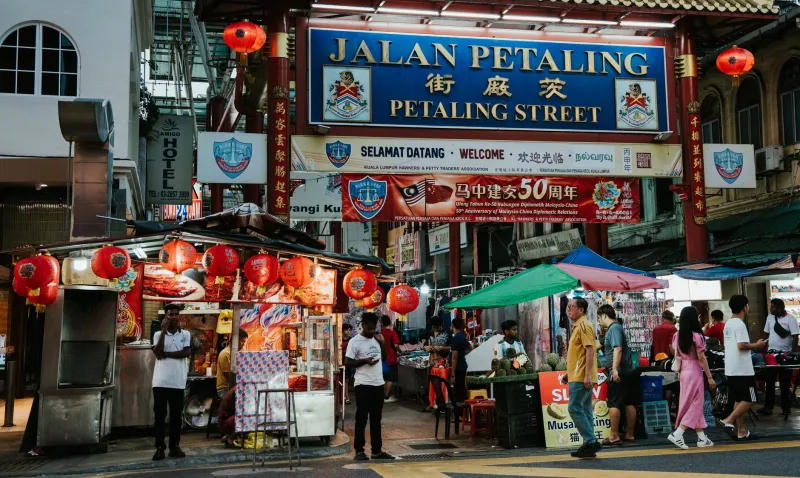
The irony is brutal: the very things that make these brands desirable — limited runs, handcrafted details, culturally specific design language — are also what make fakes so damaging. A bootleg Supreme hoodie doesn't really hurt Supreme. A bootleg drop from a 10-person operation in Petaling Jaya? That's rent money, sample costs, and years of brand equity walking out the door.
How the Fakes Are Getting Into US Hands
Here's something uncomfortable: a significant chunk of counterfeit Southeast Asian streetwear entering the US market isn't coming through sketchy direct sellers. It's moving through mid-level resellers — people who genuinely think they sourced the real thing.
The pipeline typically looks like this: a counterfeit batch gets produced and listed on regional wholesale platforms or obscure Shopee/Tokopedia storefronts. A US-based reseller, trying to get ahead of a trend, buys a small lot without doing proper due diligence. They flip it on Grailed, Depop, or StockX with markup and good intentions. The end buyer has zero idea.
This isn't about calling out individual resellers — most are just navigating a confusing landscape. It's about building the knowledge base to break the chain.
The Authentication Checklist: What to Look For
Authentication for Southeast Asian streetwear doesn't require a loupe and a forensics degree. It requires knowing what the real thing actually looks like — and where to look.
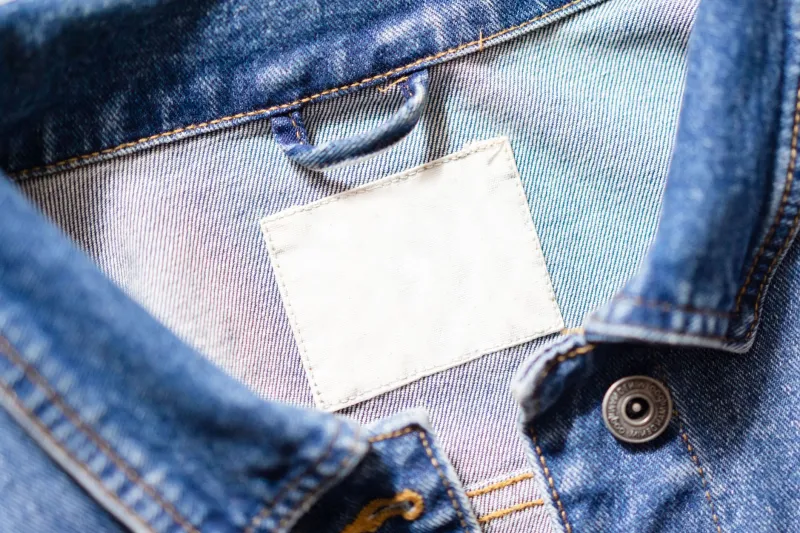
Check the tags first. Legitimate independent labels invest in their branding details. Look for clean, even stitching on woven labels with no fraying at the edges. Font consistency matters — counterfeiters often get the look of a logo right but mess up the spacing or weight. If a tag feels plasticky or the text looks slightly blurred when you zoom in on a product photo, that's a flag.
Fabric weight and hand feel. This is harder to assess online but critical in person. Southeast Asian streetwear brands — particularly Malaysian and Thai labels — tend to work with mid-to-heavyweight cotton blends specifically chosen for tropical climates that still allow for structure. Fakes typically cut corners with cheaper, lighter fabric that pills faster and loses shape after a few washes. If something feels thin or stiff in a way that doesn't match the brand's known specs, be skeptical.
Hardware and construction details. Zippers, grommets, drawcord tips — these are where counterfeits consistently fall short. Real hardware has weight and finish consistency. Fake hardware often oxidizes quickly or has rough casting marks. On hoodies specifically, check whether the drawcord is symmetrical and whether the eyelets are cleanly punched with no fabric bunching around the edges.
QR codes and serial numbers. More and more Southeast Asian brands have adopted digital authentication systems. If a brand's official site or Instagram mentions a QR-based verification system on their products and the piece you're looking at doesn't have one — or the code leads nowhere — walk away.
Cross-reference with official channels. Before buying any Southeast Asian streetwear through a third-party seller, spend five minutes on the brand's official website or Instagram. Most legitimate independent labels are active enough that you can find lookbook photos showing exactly what the real product looks like. If the seller's item doesn't match those reference images down to the stitching color, something's off.
What Brand Founders Are Saying
Talk to almost any founder of an independent Southeast Asian streetwear label and the counterfeit issue comes up fast. The frustration isn't just financial — it's personal. These are brands built on specific cultural references, specific community relationships, specific stories. A fake doesn't just steal revenue; it misrepresents a narrative that took years to build.
Founders across the region have noted a consistent pattern: fakes tend to appear within weeks of a major drop or a viral moment. The counterfeiters are watching closely, moving fast, and targeting the pieces with the most cultural cachet. Limited-edition collaborative pieces are especially vulnerable.
Many brands have responded by tightening their direct-to-consumer channels, reducing wholesale partnerships, and being more explicit on their platforms about where authorized purchasing is possible. The message is consistent: if you're not buying from an authorized retailer or directly from the brand, you're taking a risk.
How to Support the Real Thing
The most straightforward way to avoid counterfeits is also the most obvious: buy from sources you can verify. Authorized retailers — ones with documented relationships with the brands they carry — are your safest bet outside of buying directly.
Beyond that, follow the brands themselves. Southeast Asian streetwear labels are generally very active on Instagram and TikTok, and they'll often call out unauthorized sellers when they spot them. Engaging with that content, sharing it, and using it as a reference point when you're evaluating a purchase is genuinely useful.
And when you're not sure? Ask. The streetwear community — both in Southeast Asia and in US cities with strong Southeast Asian diaspora communities — is more connected than you might think. Post a photo, ask the question, wait for the response. Authentic buyers and collectors know what the real thing looks like and most are happy to help.
Supporting authentic Southeast Asian streetwear isn't just about getting what you paid for. It's about keeping the scene alive for the people who built it.