Built Different: The Construction Details in Malaysian Streetwear That Western Brands Keep Overlooking
At some point, you've probably noticed it. A piece you picked up from a Malaysian or broader Southeast Asian brand that just... holds up. Washes after wash, the color stays true. The seams don't pucker. The fabric doesn't thin out at the stress points the way your more expensive American purchases tend to. You might have chalked it up to luck or a good season from the brand. It wasn't luck.
Malaysia sits at the center of a textile manufacturing ecosystem that has been refining its processes for decades. The country is home to sophisticated garment production infrastructure, deep supplier networks, and a generation of manufacturers who've developed quality standards that don't always make it into the marketing materials — but absolutely make it into the finished product. Understanding what those standards are, and how to spot them when you're shopping, is the difference between building a wardrobe that lasts and spending money on pieces that disappoint.
The Cotton Question
Fabric is where quality conversations have to start, and cotton is where Malaysian manufacturers have developed some of their clearest advantages. The region's proximity to premium cotton suppliers — combined with long-standing relationships with spinning mills that prioritize ring-spun and combed cotton construction — means that the base materials going into Malaysian streetwear are often significantly better than what's being used at comparable price points in the US market.
Ring-spun cotton, for the uninitiated, is produced by continuously twisting and thinning cotton fibers to create a stronger, softer yarn. Combed cotton goes a step further, removing shorter fibers and impurities before spinning. The result is a fabric that feels noticeably denser and more refined than standard open-end spun cotton — the material used in most mass-market American streetwear basics.
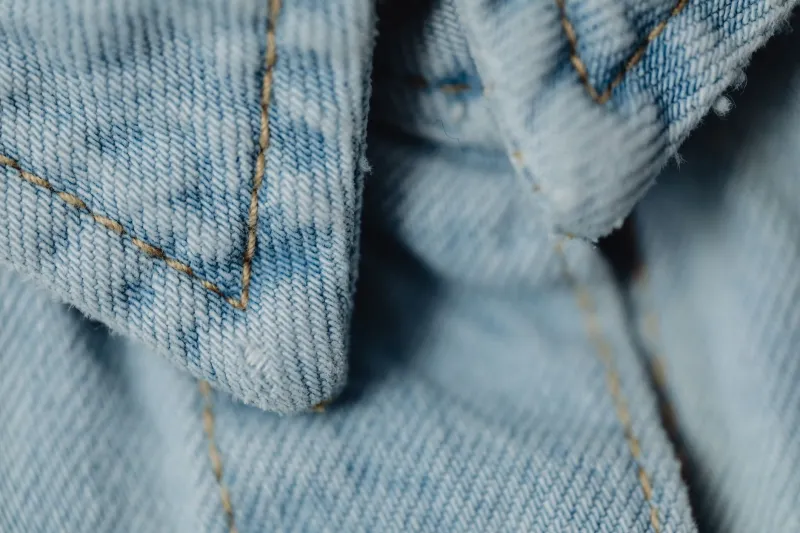
When you're handling a piece, here's a quick field test: hold the fabric up to light and look at the weave consistency. Premium ring-spun and combed cotton will show an even, tight weave with minimal variation. Cheaper open-end spun fabric will look slightly irregular and fuzzy at the edges of the weave.
Weight and Weave: Why GSM Matters More Than the Tag
American consumers have been trained to look at the care label for fabric content, but the number that serious buyers actually focus on is GSM — grams per square meter. This measurement tells you how dense and heavy the fabric is, which is one of the most reliable indicators of how a piece will perform over time.
Most fast-fashion T-shirts land in the 140–160 GSM range. They feel fine on the rack, but they thin out fast and lose their shape after a season of regular washing. Premium Malaysian streetwear brands routinely work in the 220–280 GSM range for their core pieces — a weight that produces noticeably more substantial fabric that holds its structure, resists pilling, and maintains color vibrancy through repeated washing cycles.
You can often feel this difference immediately. Pick up a heavier piece and it has a certain drape and density that lighter fabric simply can't replicate. If a brand doesn't list GSM in their product specs, that's actually information — most brands that prioritize fabric quality are proud to tell you about it.
Seam Construction and the Details That Don't Lie
Fabric quality gets most of the attention, but construction is where longevity is actually determined. Malaysian garment manufacturers with serious quality standards apply techniques at the seam level that most American streetwear brands — even premium ones — frequently skip in the interest of production speed and cost.
Flat-felled seams, which fold and stitch the seam allowance flat against the garment body, are one of the clearest markers of construction quality. They add durability at high-stress points like side seams and shoulder seams, and they eliminate the raw edge that causes most seam failures in cheaper garments. Run your finger along the inside seam of a piece — if it's smooth and flat rather than open and raw, you're holding something built to last.
Double-needle stitching at hems and cuffs is another marker worth checking. Look for two parallel lines of stitching rather than a single line at the bottom hem of a tee or the cuff of a sweatshirt. This detail adds structural integrity at the points that take the most stress during wear and washing, and it's a quick visual indicator of whether a brand is cutting corners on construction.
Garment Finishing: Where the Decades of Knowledge Show
The finishing stage of garment production — the processes applied after the piece is sewn, including washing, dyeing, and treatment — is where decades of accumulated manufacturing knowledge in Malaysia produce results that are genuinely difficult to replicate without that institutional depth.
Garment-dyed pieces, which are sewn first and dyed as a finished garment rather than from pre-dyed fabric, achieve a depth and variation of color that piece-dyed construction can't match. The technique is more expensive and requires precise process control, but the result is a piece with color that feels integrated into the fabric rather than sitting on top of it. Fading, when it happens, is even and gradual rather than patchy.
Similarly, enzyme washing and stone washing processes applied at Malaysian facilities with long experience in these techniques produce softness and texture that new-from-the-rack pieces from less experienced manufacturers rarely achieve. The hand-feel of a properly finished Malaysian piece often outperforms Western equivalents at significantly higher price points.
Reading the Room: A Practical Checklist
When you're evaluating a piece from a Malaysian or Southeast Asian brand, run through these checkpoints before committing:
- Weight: Does it feel substantial in your hand? Lightweight fabric at a premium price is a red flag.
- Seam inspection: Flip it inside out. Flat-felled or bound seams indicate quality construction. Raw, open seams don't.
- Hem stitching: Two parallel lines of stitching at the hem means double-needle construction. One line means cost-cutting.
- Weave consistency: Hold it to light. Even, tight weave = quality cotton. Irregular, fuzzy weave = cheaper fiber.
- Color depth: Does the color look like it's part of the fabric, or printed on top of it? Depth indicates quality dyeing processes.
None of this is secret knowledge — it's the same checklist that buyers at serious fashion houses use. The difference is that Malaysian streetwear manufacturers have been building to these standards for decades, often without the marketing apparatus to explain why their pieces perform the way they do.
Now you know how to read what the garment is already telling you.