Built for the Downpour: The Rainforest Engineering Hiding Inside Malaysian Streetwear
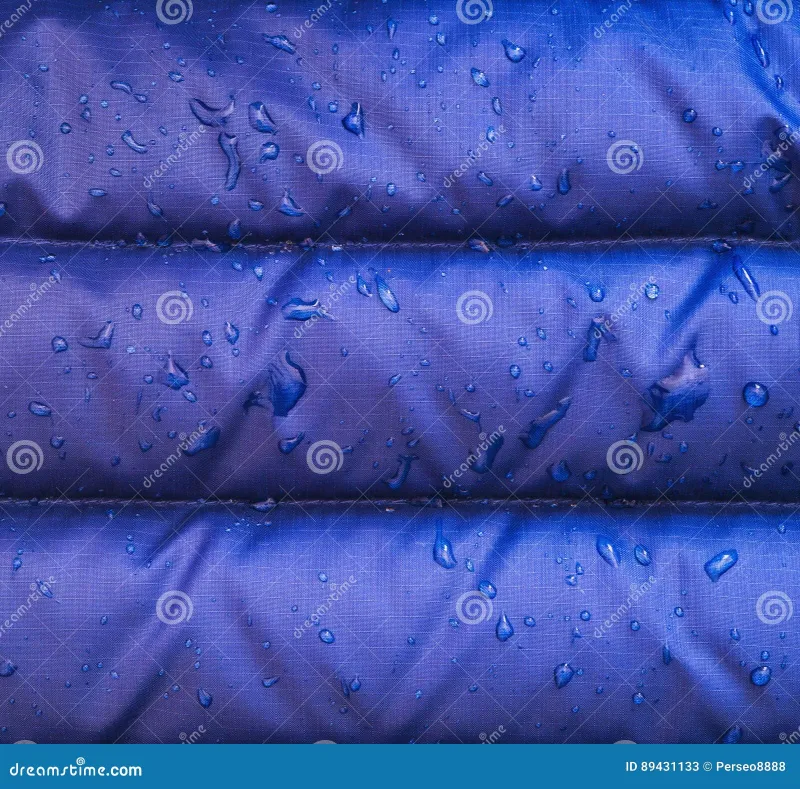
Photo: rain jacket water droplets close up fabric streetwear, via thumbs.dreamstime.com
Let's talk about the word "water-resistant" on a US jacket tag. Most of the time it means a DWR coating that survives three months of light wear and a couple of washes. It means a jacket that handles a drizzle in Portland and gives up entirely in a real storm.
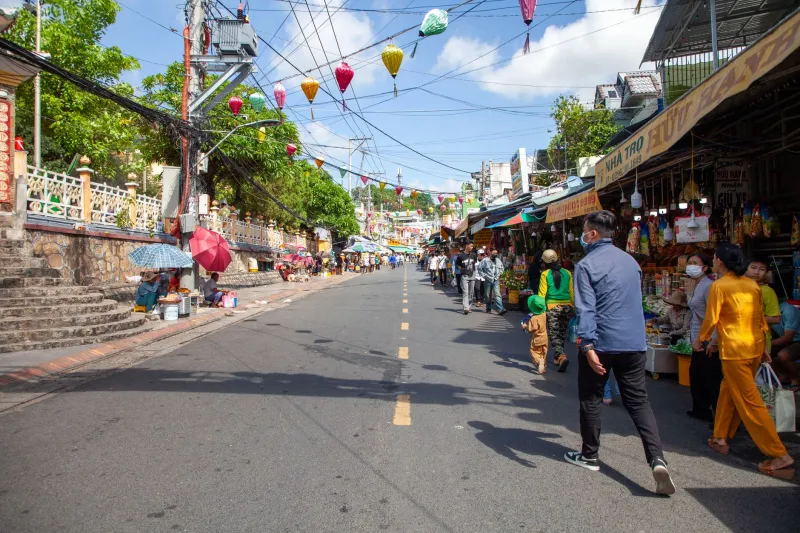
Now consider what Malaysian brands are up against. Kuala Lumpur gets roughly 95 inches of rain a year — nearly double what Seattle sees — and when it comes down there, it doesn't drizzle. It drops, sideways, for an hour, then the sun comes out and pushes humidity back up to 85%. A jacket that can't handle that cycle doesn't survive in the Malaysian market. Which means the streetwear labels designing for it have quietly become some of the best wet-weather apparel engineers on the planet.
Why the Monsoon Made Them Do It
US streetwear grew up in dry climates with cold winters. The technical priorities were insulation, wind blocking, and looks. Malaysian brands grew up in a rainforest. Their priority stack looks completely different:
- Keep water out during a sudden downpour
- Let heat and sweat out immediately after, because a sealed jacket in equatorial humidity is a portable sauna
- Dry fast, because you might get soaked twice in one day
- Pack small, because nobody carries a bulky shell around in 90-degree heat
That last two are where most American "all-weather" gear fails hard. Your typical US hype shell can repel rain fine — but wear it in 88-degree humidity and you're drenched from the inside anyway. Malaysian brands solve this differently.
The Specs That Actually Matter
If you're shopping Malaysian pieces from the US, here's what to look for on the tag and in the product description.
Hydrostatic head ratings, not just "water-resistant"
Better Malaysian labels will list a hydrostatic head number — anything above 5,000mm handles a real storm, and some technical-leaning streetwear pieces hit 10,000mm or more. That's the same territory as serious hiking shells, built into a jacket that looks like it belongs at a show in KL.
Ventilation architecture
Look for underarm eyelets, mesh-lined back panels, or full mesh interior linings. This is the feature most US brands skip because it's invisible in product photos. It's also the single biggest comfort difference I've felt wearing this stuff. Pit zips are fine; passive mesh ventilation is better for humid heat.
Ripstop and coated nylon over canvas
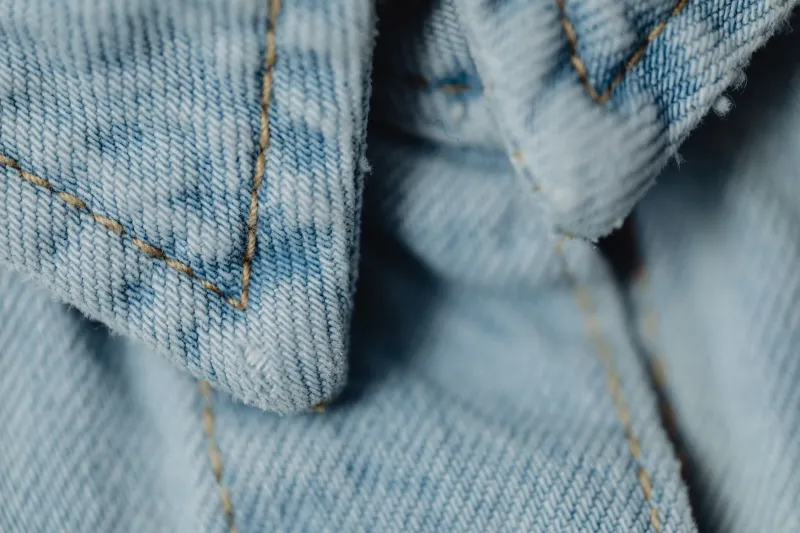
US streetwear loves heavyweight canvas — it photographs rich and feels premium. It's also a sponge. Malaysian brands lean hard into lightweight ripstop nylon and poly-cotton blends with polyurethane coatings. They feel thinner in hand, which American shoppers sometimes misread as cheaper. They're not. They're drier.
Taped or welded seams
A water-resistant fabric with sewn seams is a colander. Check whether the brand tapes or welds the interior seams. The good KL labels do, even on mid-priced pieces, because a jacket that leaks at the shoulders is a jacket that gets mocked on local social media.
Quick-dry trims
Small detail, big difference: metal zippers that corrode in humidity, cotton drawcords that stay wet for hours, leather patches that warp. Malaysian brands increasingly use coated zips and synthetic trims throughout. Flip the jacket inside out and look.
How to Test It When It Arrives
You don't need a lab. Run water over the shoulders for 30 seconds and watch for beading. Check whether droplets soak in after a minute or roll off. Then wear it on a muggy day — if you're sweating through the inside while the rain stays outside, the ventilation is doing its job. If the interior feels like a greenhouse, the brand prioritized waterproofing over breathability, which is the classic Western mistake.
The Bigger Point
There's a reason I keep coming back to climate on this site. Climate is destiny for apparel design. Brands that grew up designing for the monsoon build things no amount of US product development meetings will replicate, because the constraint isn't theoretical for them — it's their Tuesday commute.
So the next time a Malaysian windbreaker feels "too light" in your hands, remember: that lightness is the engineering. The jacket isn't missing anything. It's just been tested by a rainforest, and it passed.