Night Bazaar to the World: The Underground Collectives That Built Southeast Asian Streetwear From Scratch
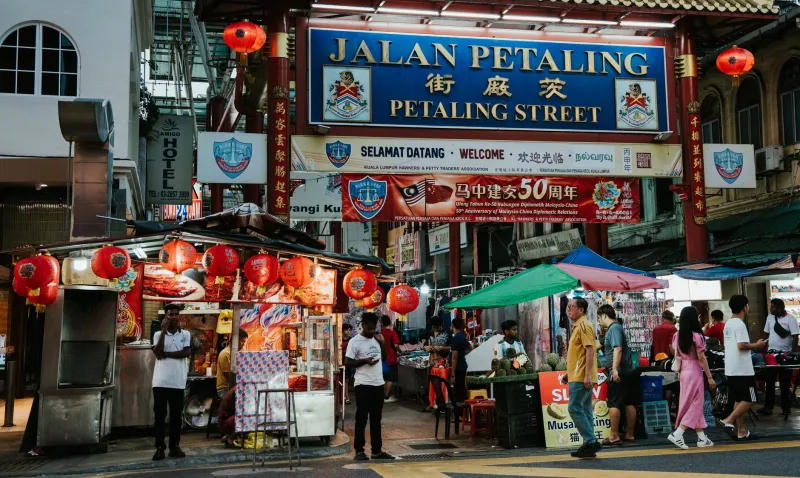
There's a particular kind of energy at a Southeast Asian night market that's hard to describe if you haven't experienced it. The heat, the noise, the smell of street food mixing with incense and cigarette smoke, the density of people moving through narrow aisles past vendors selling everything from phone cases to handmade jewelry to one-of-a-kind printed tees. It's chaotic and alive in a way that feels fundamentally different from a pop-up in Brooklyn or a weekend market in Silver Lake.
It's also, as it turns out, an extraordinary incubator for fashion.
Some of the most compelling streetwear coming out of Southeast Asia right now didn't originate in design studios or emerge from brand strategy decks. It started at a table in a weekend bazaar — a founder with a heat press, a stack of blanks, and a design that meant something to their community. The DIY ethos that drove American streetwear in the 1990s never really left Southeast Asia; it just operated quietly, building real roots in real communities, until the rest of the world caught up.
These are some of those stories.
Pestle & Mortar Clothing (Kuala Lumpur, Malaysia)
Few Malaysian streetwear origin stories are as clean or as compelling as Pestle & Mortar's. Founded by Hasrul Rizwan and his wife Hanniz, the brand started in 2012 with a simple premise: make quality streetwear that reflected Malaysian identity without being kitschy about it. No kitschy tourist-market batik prints, no forced nationalism — just sharp design rooted in genuine cultural pride.
The early days involved markets and small pop-ups, building a customer base through direct conversation and community presence rather than advertising. The brand's logo — a pestle and mortar, a symbol of the kitchen tool found in virtually every Malaysian home — became one of the most recognizable marks in regional streetwear almost entirely through word of mouth.
P&M has since grown into an internationally recognized label with stockists across Asia and a growing US following, but the founders have been deliberate about maintaining the community-first ethos that built them. Limited drops, direct engagement with customers, and a consistent refusal to chase hype at the expense of quality have kept the brand's original energy intact.
For US buyers: Pestle & Mortar ships internationally from their official site, and select authorized retailers carry their pieces. Sizing runs slightly different from US standards — check their size guide carefully.
Kartel (Kuala Lumpur, Malaysia)
Kartel is a case study in what happens when graphic design sensibility meets streetwear ambition in a market that wasn't ready for either. Founded in the mid-2000s, the brand built its early following through a mix of music scene adjacency and genuinely bold graphic work that referenced Malaysian urban culture in ways that felt authentic rather than performative.
The collective behind Kartel operated almost like a creative agency that happened to make clothes — designers, photographers, and musicians all feeding into a shared aesthetic that showed up in the garments. Their market presence was a deliberate part of the brand strategy: being physically present, talking to customers, understanding what the community actually wanted rather than guessing from behind a screen.
That approach created a loyalty that has outlasted multiple hype cycles. Kartel isn't the loudest Malaysian brand internationally, but it has one of the most devoted followings, built through years of consistent quality and genuine community investment.
Carnival (Bangkok, Thailand)
Bangkok's Carnival is perhaps the most internationally recognized Thai streetwear brand, and its origin is as grassroots as it gets. Starting as a small concept store before evolving into a full brand and retail operation, Carnival built its identity around the intersection of Thai youth culture, sneaker obsession, and a curation philosophy that prioritized authenticity over trend-chasing.
The brand's evolution from market-adjacent concept to full-scale label with international collaborations (including official partnerships with major US sneaker brands) is one of the clearest examples of the trajectory available to Southeast Asian streetwear when the foundation is solid. Carnival didn't blow up because it chased the West — it blew up because it built something real in Bangkok first, and the rest of the world came to it.
For US streetwear heads who follow sneaker culture closely, Carnival's collaborative releases are worth tracking. They tend to sell out fast and carry genuine cultural weight rather than being pure hype plays.
Damn! I Love Indonesia (Jakarta, Indonesia)
The name is a flex and a love letter simultaneously. Damn! I Love Indonesia — DILI — launched in Bali in the late 2000s with a mission that was almost defiantly simple: make Indonesians proud of where they're from and give them clothes worth wearing while doing it.
The brand's early aesthetic leaned heavily on Indonesian visual culture — traditional textiles, indigenous motifs, island imagery — but filtered through a streetwear lens that made it feel contemporary rather than folkloric. It was the kind of approach that could easily have gone wrong, veering into kitsch or cultural caricature, but DILI pulled it off by keeping the design work genuinely skilled and the cultural references genuinely deep.
The brand has since expanded significantly, with retail presence across Indonesia and growing international awareness. Their approach to using fashion as a vehicle for Indonesian cultural pride has influenced an entire generation of Indonesian labels that came after them.
Pestle & Mortar, Midnight Market Origins, and the DIY Blueprint
Across all of these stories, a few threads run consistently. The founders started small and stayed close to their communities. They used physical market presence — bazaars, pop-ups, weekend markets — to build real relationships rather than relying on digital reach before they'd earned it. They made design decisions rooted in cultural specificity rather than trying to approximate Western aesthetics.
And they survived long enough, through enough difficult moments, to become references for the next generation of Southeast Asian designers doing exactly the same thing right now in markets across KL, Bangkok, Jakarta, and beyond.
How US Buyers Can Actually Support These Brands
This is the part that matters most if you've read this far and you're genuinely interested in supporting independent Southeast Asian streetwear rather than just consuming content about it.
Buy direct when possible. Most of these brands have functioning e-commerce operations that ship internationally. Buying direct puts the most money back into the brand and cuts out intermediaries who may or may not be authorized.
Follow before you buy. Get to know a brand's official channels before you spend. You'll learn their sizing, their drop schedule, their community, and you'll be able to spot unauthorized sellers more easily.
Share the stories, not just the fits. The origin stories behind these brands are part of what makes them valuable. When you post a fit check featuring a piece from a Southeast Asian collective, take a moment to give context. Where it came from. What it means. That kind of amplification is worth more to a small brand than almost anything else.
Be patient with shipping and sizing. International shipping from Southeast Asia takes time, and sizing conventions differ from US standards. Neither of these things is a reason to return to buying from unauthorized domestic resellers who are selling fakes at a markup.
The night bazaar hustle that built these brands is still alive. It's just operating at a different scale now — and it deserves the kind of support that matches the ambition it took to get here.