Why the Silhouette Hits Different: Breaking Down Southeast Asian Streetwear Proportions vs. American Hype Fits
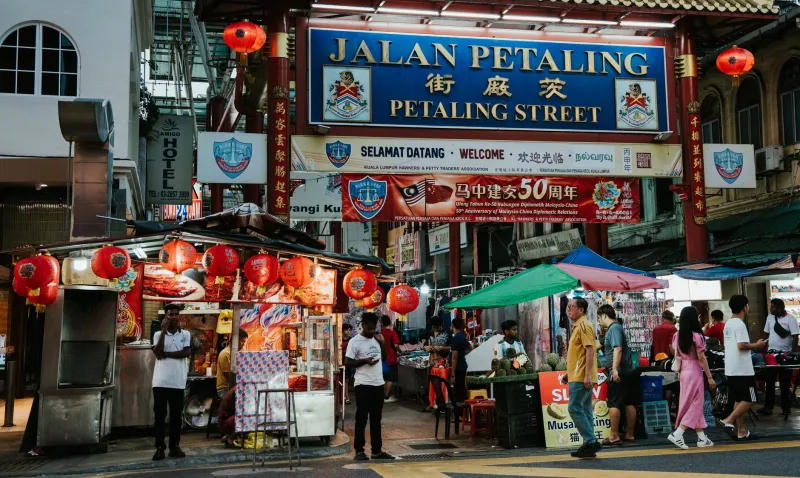
Put a Malaysian streetwear outfit next to a classic American hype fit and you'll notice something immediately — even if you can't quite name it. The proportions feel different. The way the fabric falls, the relationship between shoulder width and sleeve length, the deliberate play between volume and structure — it reads differently from what most US streetwear heads grew up on. And increasingly, that difference is exactly what's drawing American consumers toward Southeast Asian labels.
This isn't a coincidence, and it's not just a trend cycle thing. The silhouette divergence between Southeast Asian and American streetwear runs deep, and it's rooted in climate, culture, body proportion norms, and entirely different relationships with the concept of "drape."
The American Hype Blueprint and Its Limits
For most of the 2010s, American streetwear operated within a pretty defined visual framework. Oversized, yes — but oversized in a specific way. Boxy tees with dropped shoulders. Hoodies that swallowed the upper body. Cargo pants with aggressive taper. The silhouette was big on top, structured in the middle, and tapered at the ankle. Supreme, Fear of God, and early Off-White all played variations on this theme, and it became the default template for what "streetwear" looked like globally.
That template was influential for a reason — it worked. But it was also built around a specific aesthetic logic tied to American body image culture, American weather patterns (think New York fall and LA cool evenings), and American references from hip-hop and skate culture.
What it wasn't built around was equatorial heat, the kind of relaxed-body movement culture that defines street life in Kuala Lumpur or Chiang Mai, or the particular way Southeast Asian designers think about negative space in clothing.
How Climate Shapes Cut
This is the part that doesn't get talked about enough. Southeast Asia sits right on the equator. It is hot, humid, and wet for most of the year in most of the region. Designing streetwear for that environment means solving completely different problems than designing for a New York winter or a Tokyo autumn.
The result is a philosophy of fit that prioritizes airflow without sacrificing visual weight. Malaysian and Thai streetwear brands have become masters of what you might call "structured looseness" — garments that look substantial and intentional but allow air to move through them freely. This is achieved through specific fabric choices (open-weave cottons, bamboo-cotton blends, technical fabrics with moisture management built in), deliberate seam placement that doesn't restrict movement, and silhouettes that create visual mass through proportion rather than through layering.
Compare that to the American hype model, where layering is often central to the aesthetic. Hoodie under a flannel under a jacket is a classic US streetwear formula. In KL in August, that's a medical emergency waiting to happen. Southeast Asian brands aren't building for that — they're building for a single-layer statement.
The Proportion Play: Where It Gets Interesting
Beyond climate, there's a distinct approach to proportion in Southeast Asian streetwear that's worth unpacking. Where American hype tends to exaggerate specific elements — a dramatically oversized tee with a very specific fit at the waist, for example — Southeast Asian designers often work with more holistic proportion shifts.
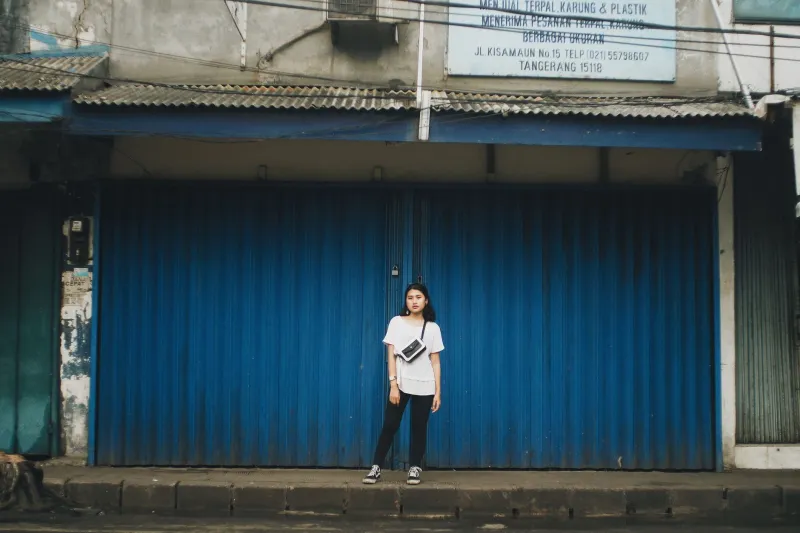
A Thai drop might feature a shirt with a longer body, slightly extended sleeves, and a more relaxed shoulder line that doesn't have the hard-dropped shoulder of an American oversized piece. The effect is softer, more fluid. It moves differently when you walk. It photographs differently, too — which matters in an era where fit checks are currency.
Malaysian brands have developed a particular affinity for what local stylists describe as "proportion stacking" — deliberately pairing a wide-body top with wide-leg bottoms in a way that creates a column silhouette rather than the hourglass-adjacent shape that American streetwear often defaults to. It's a bolder, more architectural approach to dressing that reads as simultaneously relaxed and considered.
Stylist and content creator Aina Zulkifli, who splits her time between KL and Los Angeles, describes it this way: "American streetwear is about statement pieces. Southeast Asian streetwear is about the whole picture. You're building a shape, not just stacking clothes."
Fabric Weight: The Underrated Variable
Here's something US buyers often miss when they first encounter Southeast Asian streetwear: the fabric weights are calibrated for a completely different environment, and that changes the entire feel of a garment.
American heavyweight hoodies — the 14oz+ fleece that's become a benchmark of quality in US streetwear — are basically designed for cold climates. They're substantial, warm, and structured. Southeast Asian brands working with similar silhouettes often use midweight fabrics in the 8-10oz range that drape more loosely and move more freely. The result can look almost identical in a flat lay or a product photo but feels completely different on the body.
This isn't a quality issue — it's a design intention issue. A 9oz open-end cotton hoodie from a KL brand isn't cutting corners; it's engineered for its environment. And when that piece lands on a US buyer who's used to judging quality by heft, there can be a mismatch between expectation and experience.
The workaround? Context. Understanding that fabric weight is a design choice, not a quality metric, opens up a whole new appreciation for what Southeast Asian brands are actually building.
Why US Buyers Are Coming Around
Something has shifted in the last two to three years in how American streetwear consumers engage with Southeast Asian aesthetics. Part of it is the general fatigue with the established US hype cycle — the same brands, the same drops, the same resale hustle. But part of it is genuine appreciation for what Southeast Asian silhouettes offer that domestic options don't.
The fluid, architectural proportions translate surprisingly well to American bodies and American contexts. The wide-leg, long-body combinations that define Malaysian and Thai street style work just as well in Houston heat as they do in Bangkok. The single-layer statement approach is actually a perfect fit for LA's climate and NYC's spring and summer months.
US-based influencers who've incorporated Southeast Asian pieces into their rotation consistently report the same thing: people notice. The fit check hits differently because the silhouette is different — not weird, not inaccessible, just genuinely fresh in a landscape that's been recycling the same shapes for a decade.
That freshness is the whole point. Southeast Asian streetwear wasn't designed to be an alternative to American hype. It was designed to solve different problems for different people in different places. The fact that it's resonating globally is a byproduct of it being genuinely good — built on its own terms, for its own reasons, with its own logic.
And that logic, once you understand it, makes everything else look a little bit predictable by comparison.