From Ape to Empire: How Bape Rewired the DNA of Southeast Asian Streetwear
There's a generation of Malaysian designers who will tell you, without hesitation, that their first real streetwear moment involved a Bape piece. Maybe it was a shark hoodie spotted on a cousin who'd traveled to Tokyo. Maybe it was a grainy forum post on a Malaysian sneaker board circa 2005, with someone losing their mind over a camo tee. Whatever the entry point, A Bathing Ape didn't just sell clothes in Southeast Asia — it sold a framework for what streetwear could be.
For US collectors who've started paying attention to what's coming out of KL, Jakarta, and Bangkok, understanding Bape's legacy in the region isn't just interesting backstory. It's the decoder ring.
The Blueprint Arrives
Bape hit Southeast Asia at a particular moment of cultural hunger. The early 2000s were a time when Malaysian youth were deeply plugged into Japanese pop culture — through anime, music, and the kind of fashion journalism that treated Tokyo like the center of the universe. Nigo's brand landed with the weight of a cultural document. It was proof that streetwear didn't have to originate in New York or LA to carry serious global weight.
What Bape demonstrated, more than anything, was that bold graphic identity combined with scarcity and regional cultural specificity could command premium positioning anywhere on the planet. That lesson hit different when you're a young designer in Kuala Lumpur who's been told, implicitly or explicitly, that real fashion comes from somewhere else.
"Bape was the first time I understood that the rules weren't fixed," says one KL-based designer who asked to remain anonymous. "Here was a Japanese brand built on its own references, its own aesthetic logic, and it was outselling everything from Europe or America in the spaces I cared about. That was genuinely disorienting in the best possible way."
Copying the Model, Then Breaking It
The early influence wasn't subtle. Walk through archival images of Malaysian streetwear from 2004 to 2012 and you'll clock the camouflage prints, the bold logo treatments, the premium-feeling basics with graphic punches. Bape's visual language became a shared grammar across the region's emerging brands. That's not a critique — it's how creative ecosystems actually develop. You learn the rules by absorbing the dominant model.
But somewhere around the early 2010s, something shifted. A new wave of Malaysian designers started asking a different question. Instead of "how do we do what Bape does," they started asking "what does Bape not have that only we can offer?"
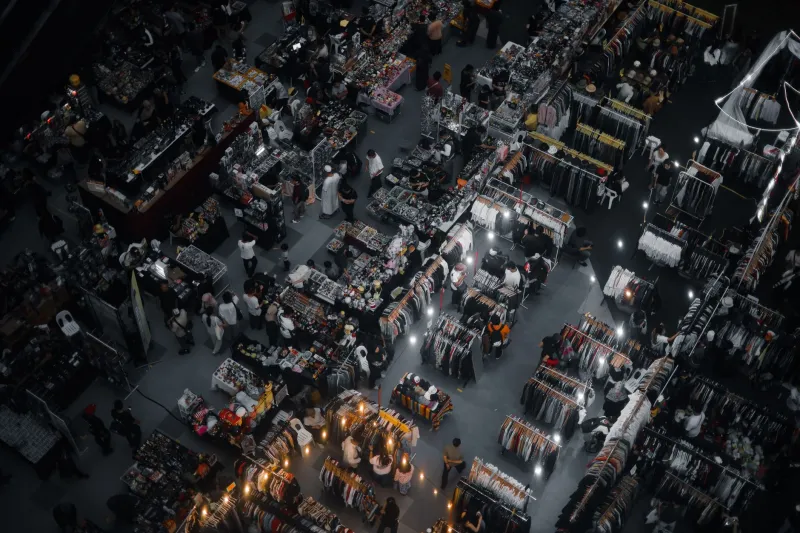
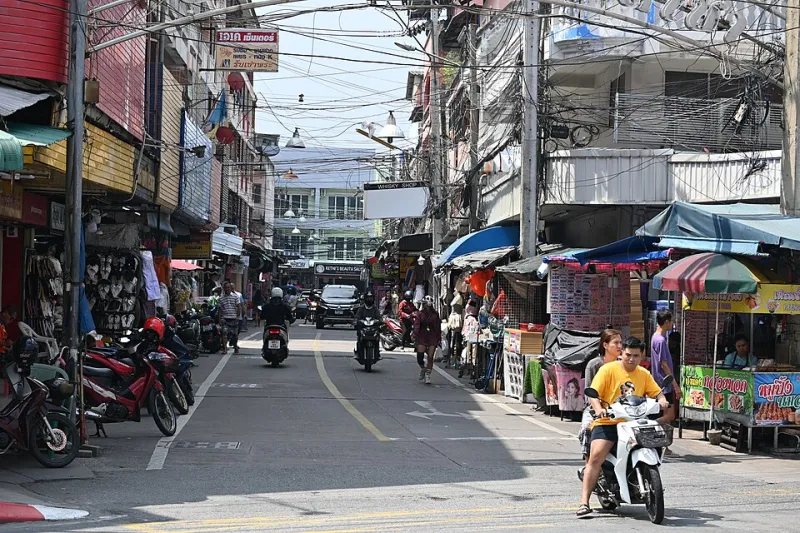
The answers were specific and grounded. Bape didn't carry the weight of Hari Raya color traditions. It didn't reference the architectural chaos of Chow Kit or the visual density of a Penang temple street. It didn't speak Bahasa, mix in Mandarin slang, or carry the particular heat and humidity of a tropical city in its fabric choices. These weren't gaps — they were openings.
The Ceiling That Became a Launchpad
For a certain generation of Southeast Asian designers, Bape functioned as both inspiration and limitation. It set the ceiling for what the market would accept in terms of price point and brand ambition. If a Japanese brand could command those prices in KL, the logic went, a local brand with stronger cultural specificity should be able to do the same — eventually.
"We used Bape as a benchmark in business conversations, not just creative ones," explains a brand founder based in Petaling Jaya who's been building his label for over a decade. "When we were pitching to stockists or trying to justify our pricing, we'd point to what the market was already paying for imported Japanese streetwear and say, look, the appetite is there. We just need to build the trust."
That trust-building process is exactly what produced the design sophistication that US collectors are now responding to. Because Malaysian brands had to justify their premium positioning in ways that an established legacy brand like Bape never had to, they went deeper on craft, storytelling, and cultural specificity. The pressure to differentiate produced genuinely distinct work.
What US Collectors Are Actually Reading
When someone in the US picks up a piece from a contemporary Malaysian streetwear label and feels like it carries a different kind of weight than their usual rotation, there's a genealogy behind that feeling. The brand that made it almost certainly grew up in a market where Bape was the dominant reference point, absorbed everything that made that model powerful, and then spent years figuring out what to keep and what to discard.
The result is a design sensibility that carries the structural confidence of Japanese streetwear DNA but filters it through something more layered — regional color traditions, local spiritual iconography, the specific textures of Southeast Asian urban life. It's not derivative. It's what happens when a creative community uses an external influence as a mirror rather than a template.
Bape's influence on Southeast Asian streetwear is real, documented, and worth understanding. But the more interesting story is what the region's designers did once they'd fully internalized that influence and started building past it. That's the work that's ending up in US collections right now, and it didn't come from nowhere.