Digging Gold: How US Resellers Are Quietly Cleaning Out Southeast Asian Vintage Markets
There's a certain type of reseller who doesn't talk about their sources. They post the haul, they list the price, and they let the piece speak for itself. Lately, a growing number of those hauls are coming from a place most American streetwear heads haven't thought to look: the warehouse sales, night markets, and app-based resale ecosystems of Malaysia and the broader Southeast Asian region.
This isn't a trend piece about "discovering" a culture that's been thriving for decades. It's a breakdown of why the economics, the inventory, and the culture of Southeast Asian secondhand fashion are genuinely different from anything you'll find on Grailed, Vestiaire, or even the deepest corners of eBay — and why that gap is creating real arbitrage opportunities for people willing to do the work.
The Warehouse Sale Circuit Is Its Own World
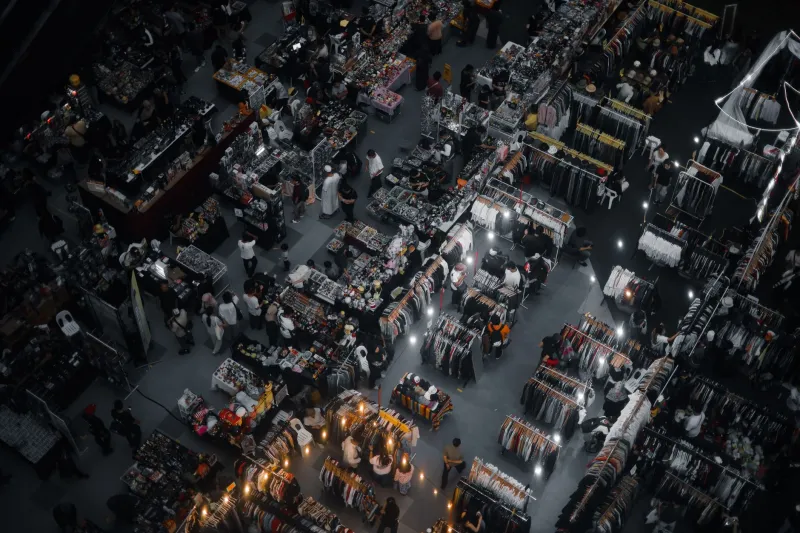
If you've never been to a warehouse sale in Petaling Jaya or Subang Jaya, it's hard to explain the scale. These aren't pop-up thrift events with curated racks and lo-fi playlists. They're full-volume liquidation events — sometimes running across multiple floors of industrial space — where overstock, deadstock, and returns from regional distributors get moved fast and cheap.
Brands across Southeast Asia have historically used Malaysia as a distribution hub for the wider ASEAN market. That means when inventory doesn't move, it doesn't disappear — it ends up in these sales. For a US reseller with an eye for labels, that translates to finding authentic deadstock from Japanese, Korean, and even European brands at prices that feel almost illegal by American standards.
The key is timing. Regulars — and there are serious regulars — track these events through WhatsApp groups, local Facebook communities, and brand newsletters. Showing up on day one, early, is everything. By day two, the real finds are gone.
Carousell and the Peer-to-Peer Advantage
While the warehouse circuit rewards physical presence, platforms like Carousell have opened a different kind of access for US buyers operating remotely. Carousell, which dominates peer-to-peer resale across Malaysia, Singapore, and the Philippines, functions a lot like a more chaotic, less polished version of Depop — but that lack of polish is precisely where the opportunity lives.
Listings on Carousell are often underpriced relative to global market value because sellers are pricing for a local buyer pool. A Malaysian seller listing a vintage Polo Sport windbreaker is benchmarking against what their neighbor would pay, not what a collector in Brooklyn expects to spend. That pricing gap — sometimes 40 to 60 percent below comparable Western listings — is the core of the arbitrage play.
The friction, of course, is real. Shipping coordination, currency conversion, communication across time zones, and the occasional listing that doesn't match its photos are all part of the deal. But experienced buyers who've built relationships with local proxy shoppers or freight forwarders have largely figured out the logistics layer.
Deadstock and the Southeast Asian Supply Chain
One of the more underappreciated aspects of this ecosystem is the sheer volume of genuine deadstock that exists in the region. Because Malaysia and neighboring countries served as manufacturing and distribution bases for global apparel brands throughout the 1990s and early 2000s, there are pockets of new-old-stock that simply never made it to retail.
Factory closeouts, cancelled orders, and end-of-line merchandise from that era show up in ways that don't have a Western equivalent. A piece that would be treated as a grail in the US — unworn, tagged, original packaging — might surface at a weekend flea market in Shah Alam or through a seller on Carousell who inherited a relative's old stock.
For collectors focused on specific labels or eras, this is significant. The Southeast Asian supply chain didn't just produce goods — it retained them in ways that the American and European markets, with their more aggressive clearance and destruction cycles, largely didn't.
How Southeast Asian Resale Culture Differs From the West
Spend time in the Western resale ecosystem and you'll notice it's become increasingly financialized. Grailed sellers are pricing to market data. StockX has turned sneakers into commodities. The cultural dimension of resale — the story behind the piece, the connection to a scene or a moment — has been largely stripped out in favor of spreadsheet logic.
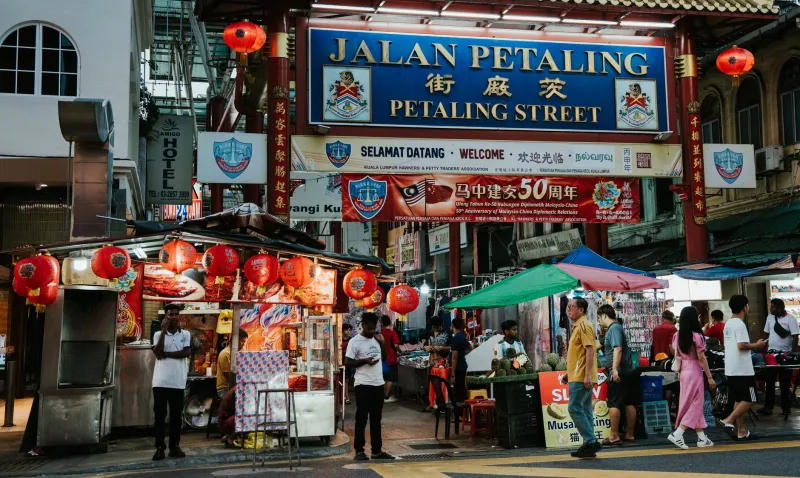
Southeast Asian resale culture still has a lot of that original energy. Sellers on Carousell will tell you where they bought something, how they wore it, why they're letting it go. Weekend pasar malam (night market) vendors know their inventory and often have opinions about it. There's a social texture to the transaction that the algorithm hasn't fully flattened yet.
For US collectors who've grown tired of the clinical, high-stakes vibe of Western platforms, this difference isn't just aesthetic — it's genuinely useful. You can learn things about a piece's provenance in a five-minute conversation with a KL seller that no listing description would ever tell you.
The Window Is Open — But Not Forever
It would be naive to pretend this gap will last indefinitely. As more US buyers and resellers enter the Southeast Asian market, local sellers will adjust their pricing benchmarks. Platforms will become more sophisticated. The arbitrage margins will compress.
But right now, the combination of underpriced inventory, genuine deadstock availability, and a resale culture that still values the human side of the transaction makes Southeast Asia — and Malaysia in particular — one of the most interesting sourcing environments on the planet for serious collectors.
The question isn't whether it's worth paying attention to. It's whether you get there before everyone else does.